Tattoo ideas by theme
Chinese Tattoo Ideas for Love, Strength and Peace
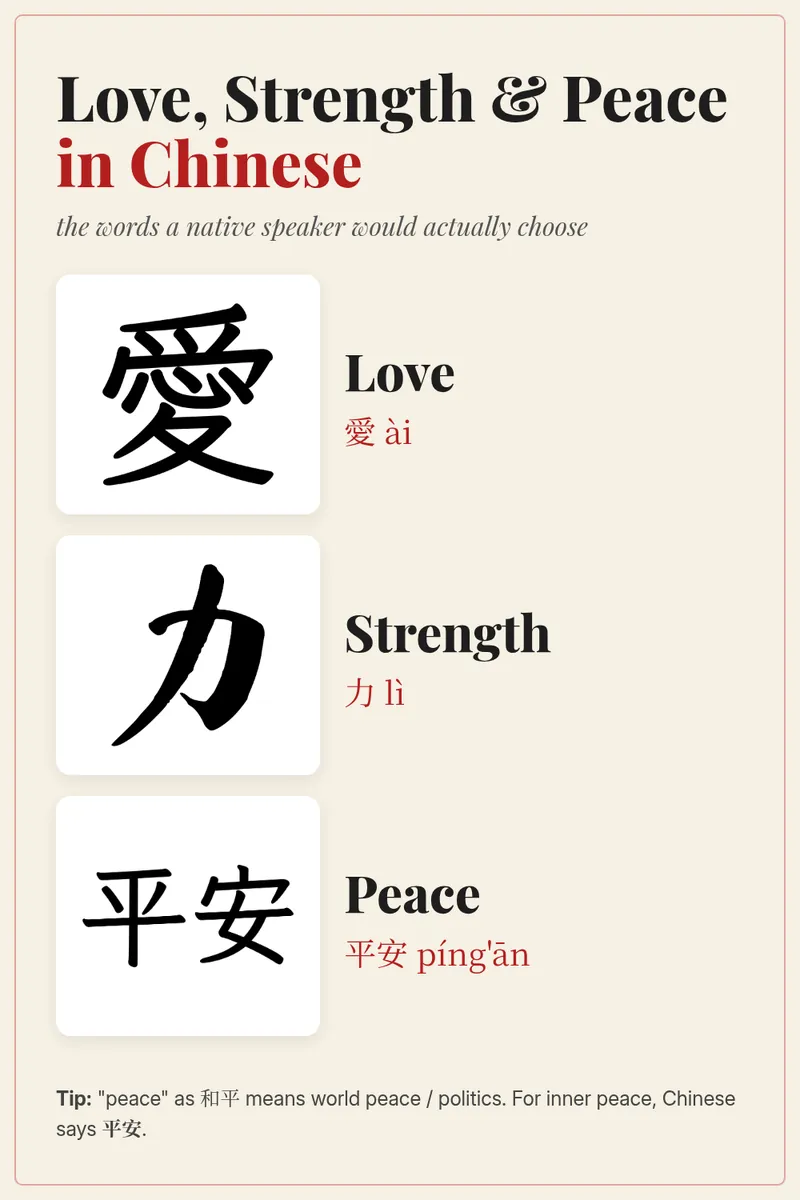
Love, strength and peace are the three themes people ask about most. Here are the Chinese words a native speaker would actually choose for each, how they look in different styles, and the traps to avoid.
 Save to Pinterest
If you are thinking about a Chinese tattoo, odds are it is about one of three things: someone you love, the strength that got you through something, or the calm you are trying to hold on to. Those themes are universal. The Chinese words for them are not always the ones a dictionary or translation app gives you first.
This guide goes theme by theme. For each one you get a short list of words a native speaker would choose, the pinyin, the real meaning, and the one mistake people most often make with it. The images come from a series of design boards. Save any of them to Pinterest to show your artist later.
Chinese tattoo ideas for love
 Save to Pinterest
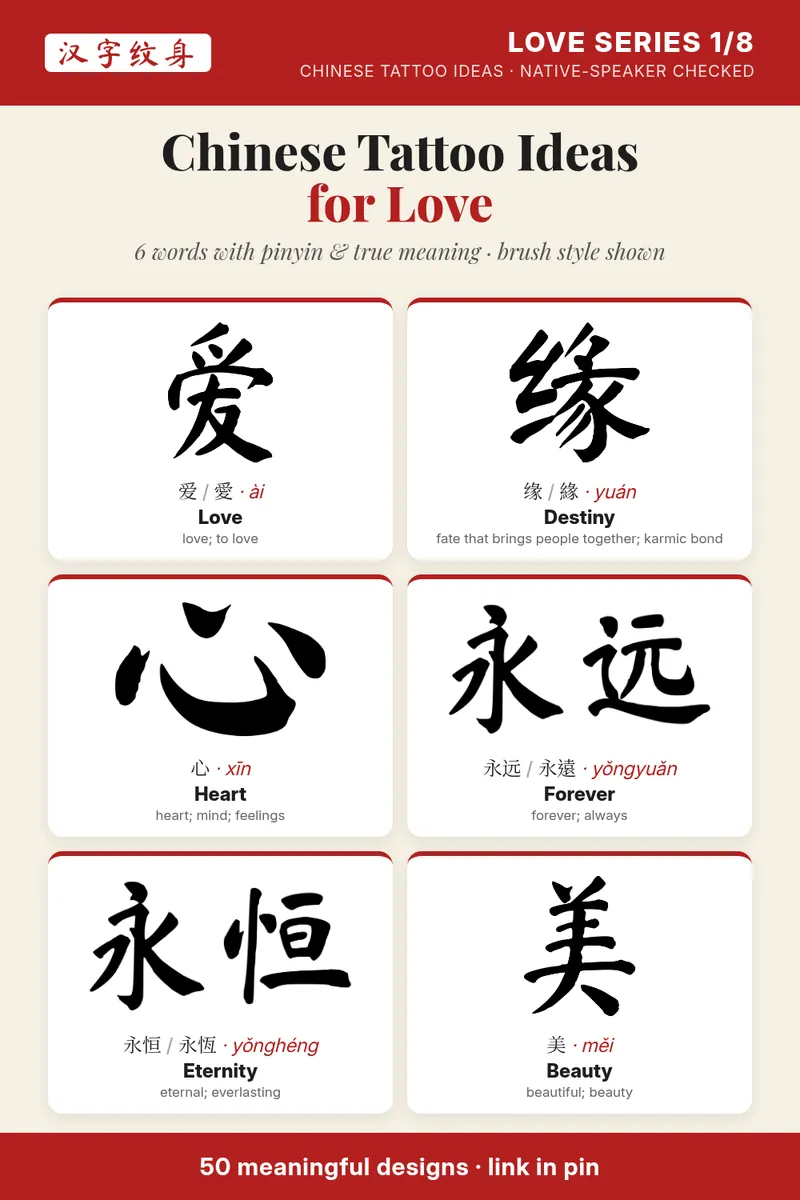
Six words cover almost every love tattoo request: 爱 (love), 缘 (a fated bond), 心 (heart), 永远 (forever), 永恒 (eternity) and 美 (beauty).
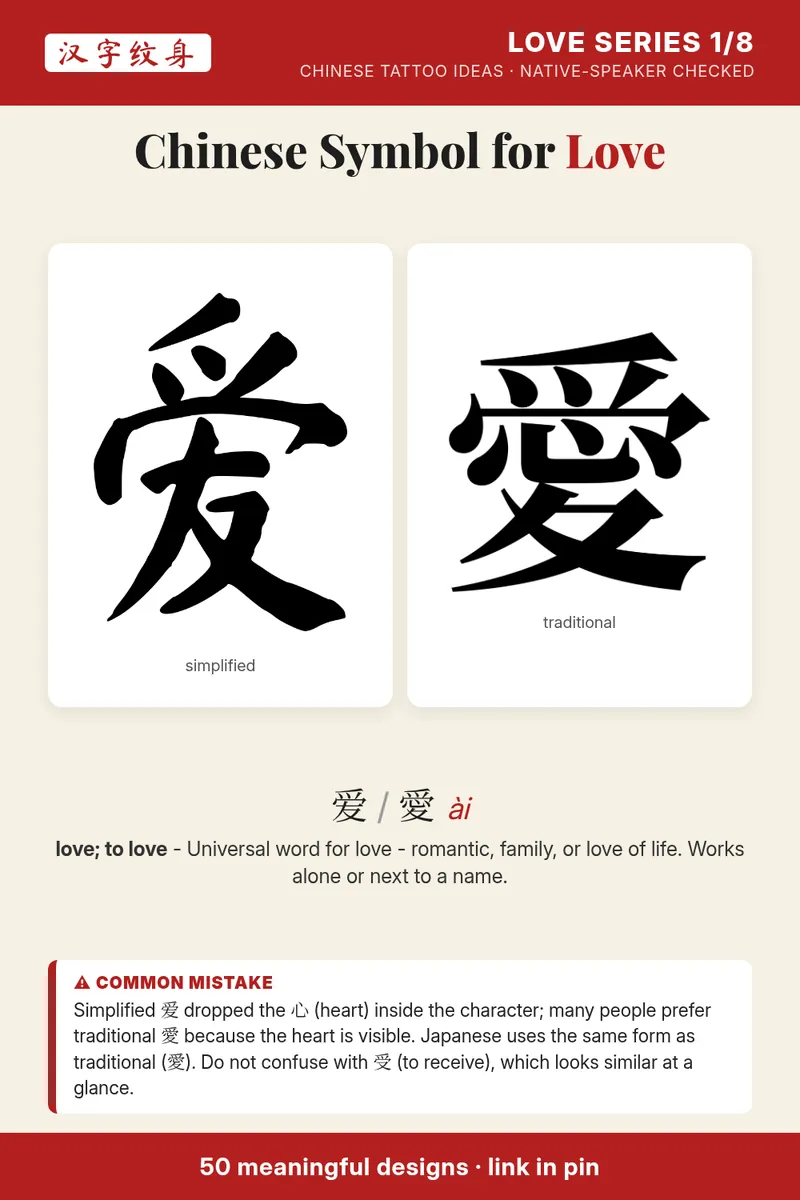
爱 or 愛? This is the classic question. 爱 is the simplified form used in mainland China today. 愛 is the traditional form. The difference is not only looks. Simplified 爱 dropped the 心 (heart) from the middle of the character. Traditional 愛 keeps it, and that visible heart is why many people choose the traditional form for a tattoo. Both are correct Chinese. Just make sure the rest of your design uses the same system.
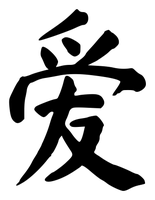
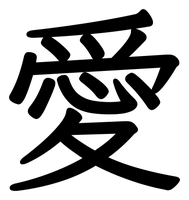
01 Love 爱 / 愛
“love; to love”
Universal word for love - romantic, family, or love of life. Works alone or next to a name.
Watch out: Simplified 爱 dropped the 心 (heart) inside the character; many people prefer traditional 愛 because the heart is visible. Japanese uses the same form as traditional (愛). Do not confuse with 受 (to receive), which looks similar at a glance.
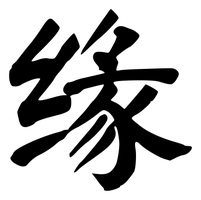
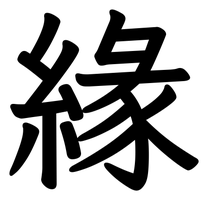
22 Destiny 缘 / 緣
“fate that brings people together; karmic bond”
The Chinese idea of a fated connection between people - you met for a reason. Beautiful for couples and friends.
Watch out: 命运 (mìngyùn) = fate/destiny, but often in a heavy, unchangeable sense. Japanese writes 縁 - not the Chinese traditional form 緣. 缘 is sometimes confused with 绿 (green) - only the right side differs.
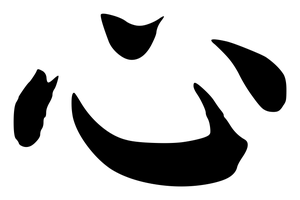
45 Heart 心
“heart; mind; feelings”
Heart and mind are the same word in Chinese - feelings, intention, soul.
Watch out: Only four strokes - the order and spacing of the three dots makes it look right or wrong. Not 必 (must), which adds a slash.
Forever and eternity are often confused. 永远 (yǒngyuǎn) is the everyday “forever, always”. It is the word in 永远爱你, “love you forever”. 永恒 (yǒnghéng) is more literary: eternity, something that lasts. If you want a single character, 永 alone means “eternal” and works on its own. Be careful not to confuse it with 水 (water). The only difference is the dot on top.
 Save to Pinterest
美 (měi, beauty) is lovely, short and easy to read. One honest note: 美 is also the first character of 美国, “America”, so some Chinese readers may smile at it. That's not a mistake, just something to know.
Choosing a lettering style
 Save to Pinterest
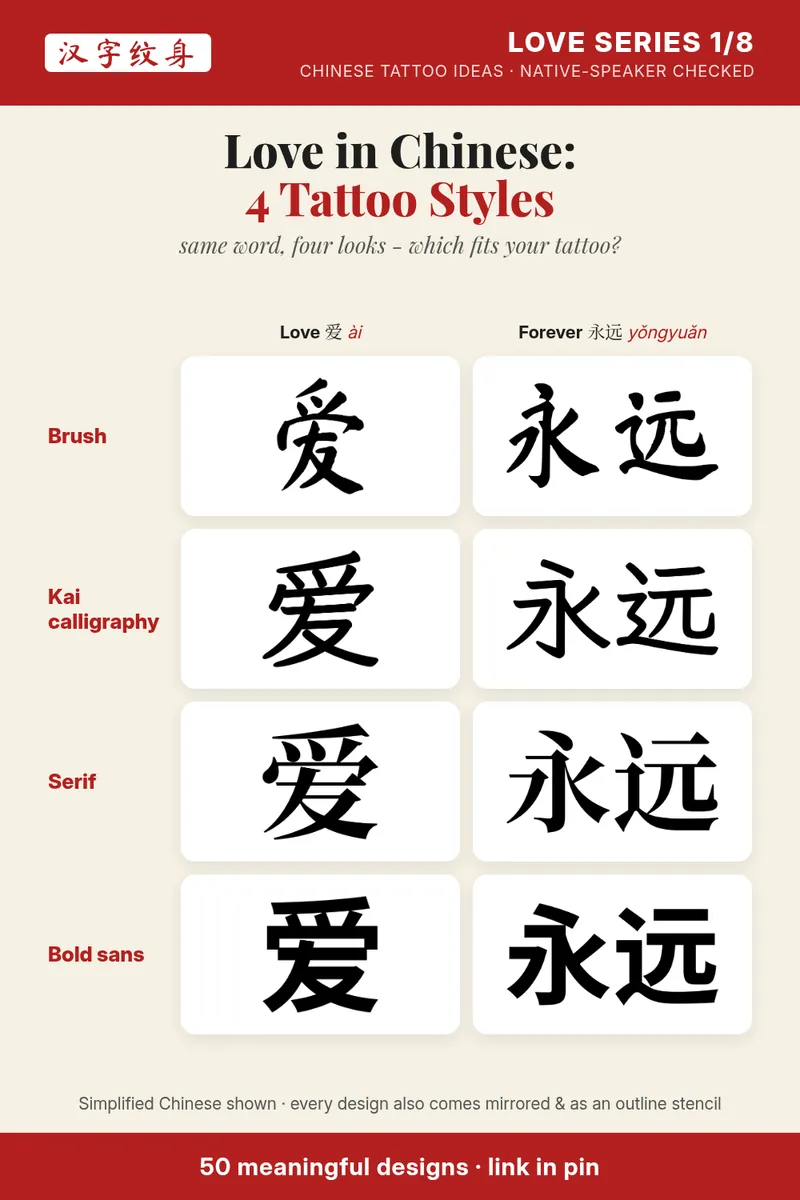
The same word can feel completely different depending on the lettering. The four styles in the board above are:
- Brush: flowing and expressive, with visible stroke movement. Good for larger pieces where the energy of the brush can show. (In the design pack, brush style is drawn for simplified forms.)
- Kai calligraphy: the standard hand-written style taught in schools. Balanced, elegant and easy for any Chinese reader to recognize.
- Serif: a clean printed look with small decorative stroke ends. Works well for fine-line tattoos.
- Bold sans: thick, even strokes. The most readable option for small tattoos, because thin lines have nothing to lose.
A practical rule: go bolder and simpler the smaller the tattoo is. Leave the expressive styles for pieces with room to breathe.
Chinese tattoo ideas for strength
 Save to Pinterest
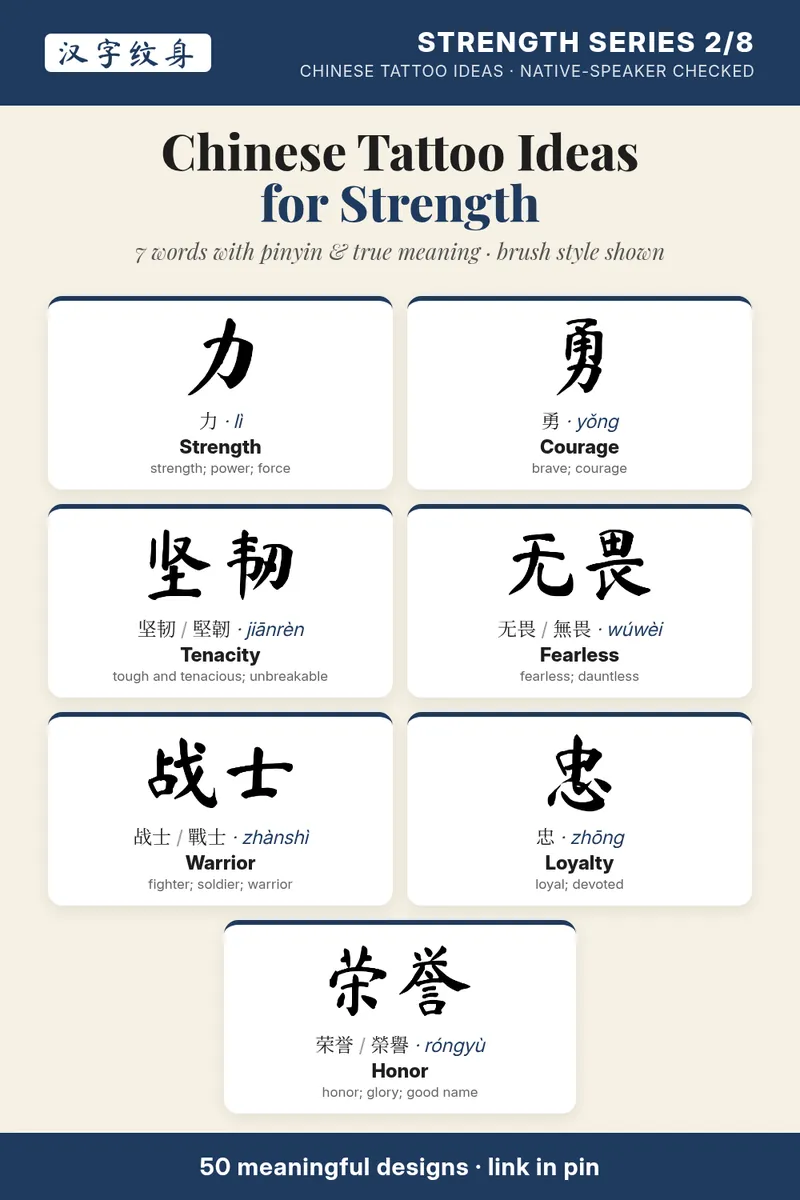
Strength in Chinese comes in many shades. 力 is raw strength, physical and inner, in a single character. 勇 is courage and bravery. 坚韧 is toughness that bends but does not break. 无畏 is fearlessness. 战士 is a fighter who keeps going. And 忠 and 荣誉 are about loyalty and honor, strength of character.
Ask yourself which kind of strength you mean. A runner, a cancer survivor and someone honoring a grandparent might all say “strength”, but they would choose different Chinese words.
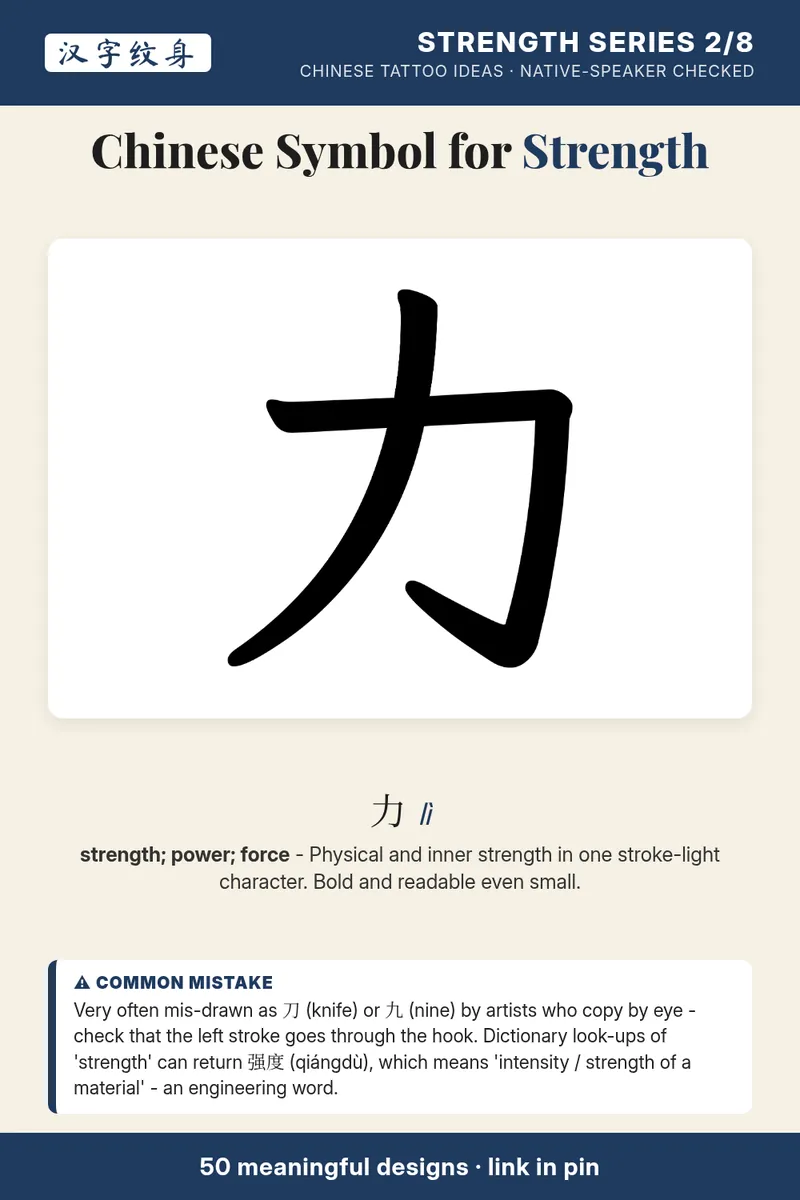
02 Strength 力
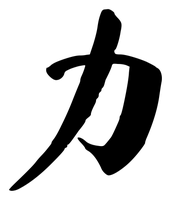
“strength; power; force”
Physical and inner strength in one stroke-light character. Bold and readable even small.
Watch out: Very often mis-drawn as 刀 (knife) or 九 (nine) by artists who copy by eye - check that the left stroke goes through the hook. Dictionary look-ups of 'strength' can return 强度 (qiángdù), which means 'intensity / strength of a material' - an engineering word.
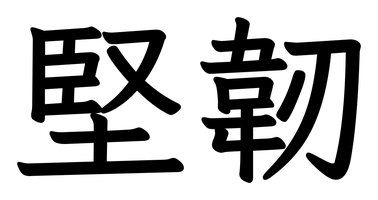
47 Tenacity 坚韧 / 堅韌
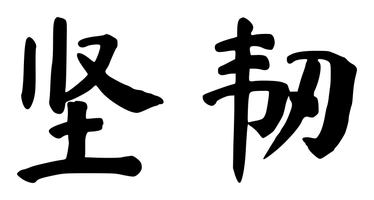
“tough and tenacious; unbreakable”
Tough, persistent, hard to break - like bamboo that bends but does not snap.
Watch out: Japanese writes 靭 instead of 韌. 坚强 (jiānqiáng) = strong (emotionally) - also good but more common.
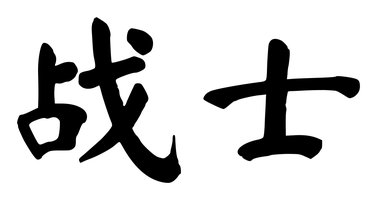
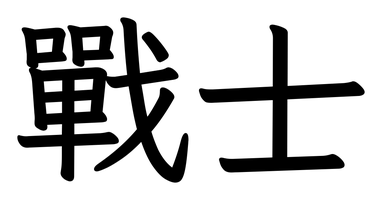
09 Warrior 战士 / 戰士
“fighter; soldier; warrior”
A fighter who keeps going - popular for people who survived illness or hard times.
Watch out: 武士 (wǔshì) is the Japanese 'samurai' word. Japanese writes 戦 for 戰 - a Japanese form is not traditional Chinese. 士 (scholar/soldier) has a longer TOP line; 土 (earth) has a longer bottom line.
 Save to Pinterest
Why 力 goes wrong so often. 力 has only two strokes, so it looks easy to copy. That is the problem. Drawn by eye, it can turn into 刀 (knife) or 九 (nine). Check that the left stroke passes through the hook. This is a big reason to give your artist a finished file instead of a sketch.
Japanese forms. Japanese writes some of these characters differently. 戰 (traditional Chinese for 战) appears as 戦 in Japanese, and the Japanese for honor is written 栄誉 rather than 榮譽. If you want your tattoo to be Chinese, make sure the forms are Chinese.
Chinese tattoo ideas for peace
 Save to Pinterest
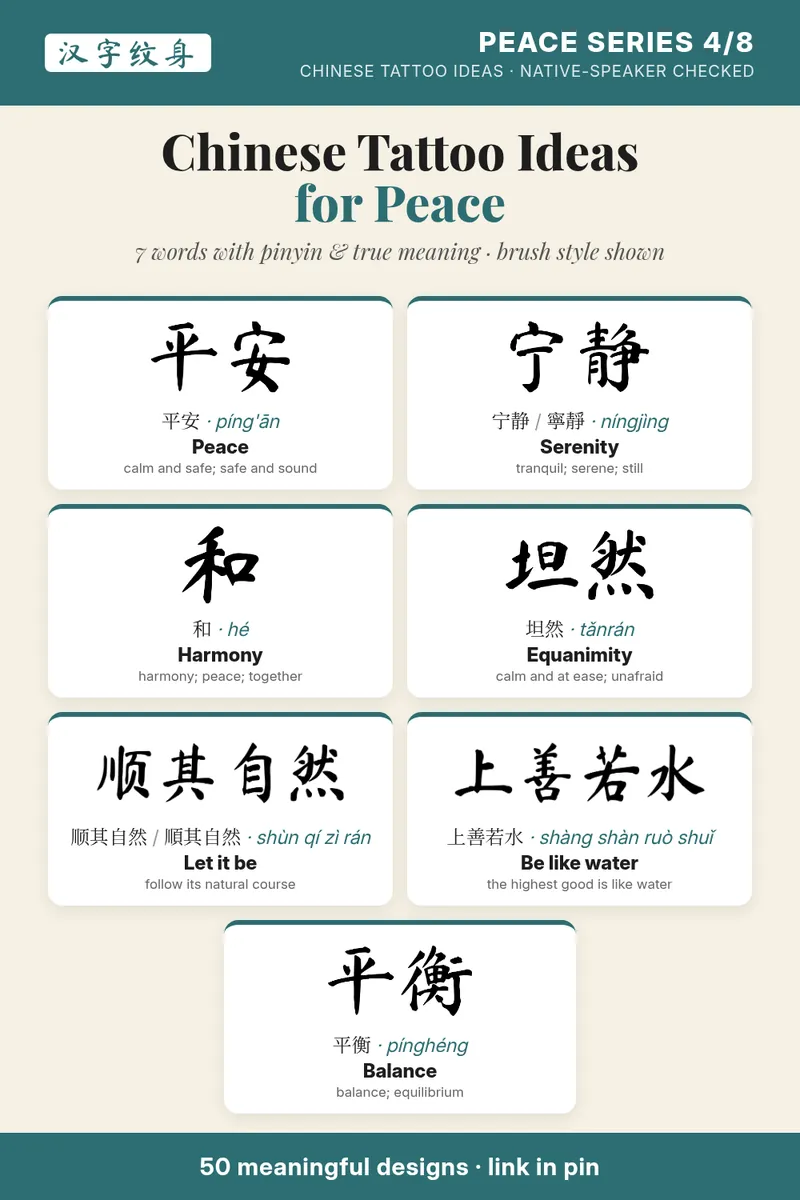
Here's the most common peace tattoo mistake: 和平 (hépíng) is the dictionary word for peace, but it means peace between nations, “world peace”. It is fine on a protest banner and odd on a wrist. For personal peace, being safe, well and untroubled, Chinese people say 平安 (píng'ān). It is the traditional wish families give each other.
Beyond 平安, there is a whole vocabulary of calm. 宁静 is serenity, a quiet mind. 和 is harmony, one of the most respected single characters. 坦然 is facing life calmly with a clear conscience. 平衡 is balance. And there are two classical lines worth knowing.
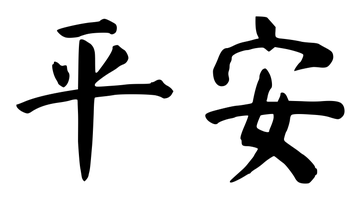
04 Peace 平安
“calm and safe; safe and sound”
Personal peace: being safe, well and untroubled. The traditional wish Chinese families give each other.
Watch out: 和平 (hépíng) is political peace - peace between nations, 'world peace'. Fine on a protest banner, odd on a wrist. Pinyin needs the apostrophe: píng'ān, not 'pin gan'.
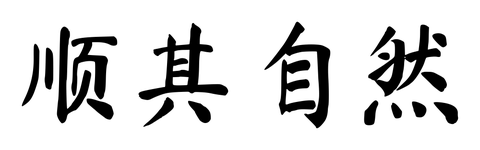
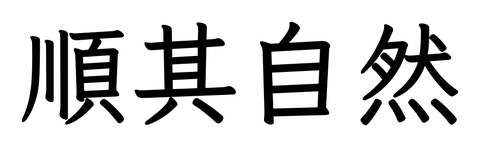
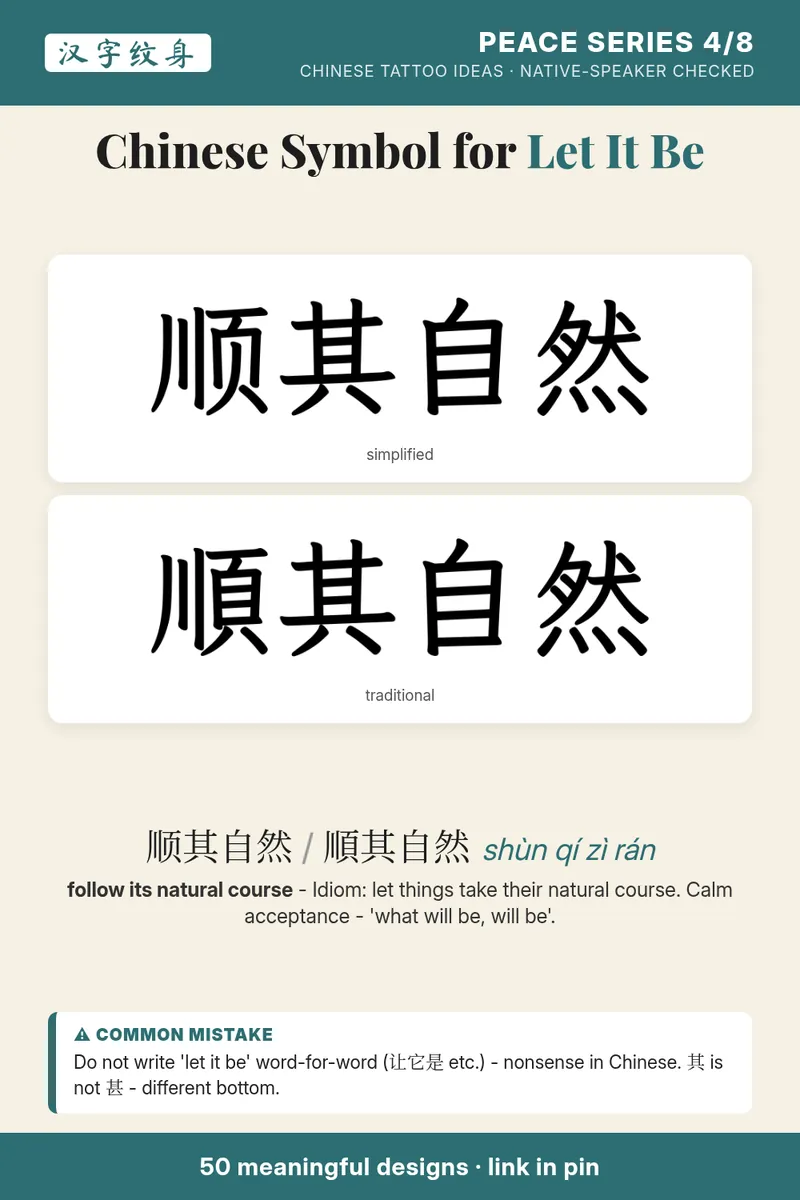
35 Let it be 顺其自然 / 順其自然
“follow its natural course”
Idiom: let things take their natural course. Calm acceptance - 'what will be, will be'.
Watch out: Do not write 'let it be' word-for-word (让它是 etc.) - nonsense in Chinese. 其 is not 甚 - different bottom.
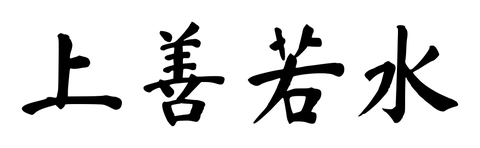
50 Be like water 上善若水
“the highest good is like water”
Lao Tzu, Tao Te Ching ch. 8: the highest goodness is like water - it nourishes and does not compete. (Bruce Lee's 'be water' idea comes from this tradition.)
Watch out: Bruce Lee's 'Be water, my friend' is not a Chinese phrase - this classical line is the authentic source. 若 here means 'like', not 'if'.
 Save to Pinterest
About “be water”. Many people come looking for Bruce Lee's “Be water, my friend”. That line is not a Chinese phrase. The authentic classical source for the idea is 上善若水 from the Tao Te Ching: the highest good is like water, which nourishes and does not compete. In this line, 若 means “like”, not “if”.
坦然 vs 淡然. These two get confused. 淡然 (dànrán) means indifferent or detached. It is close, but colder. 坦然 is calm acceptance with warmth.
Combining words: what works and what doesn't
- Don't build your own sentence. Putting several Chinese words next to each other does not automatically make a grammatical phrase. Use one word, or an established phrase like 永远爱你, 永不放弃 or 顺其自然.
- Keep one writing system. If one word in your design is traditional, all of them should be.
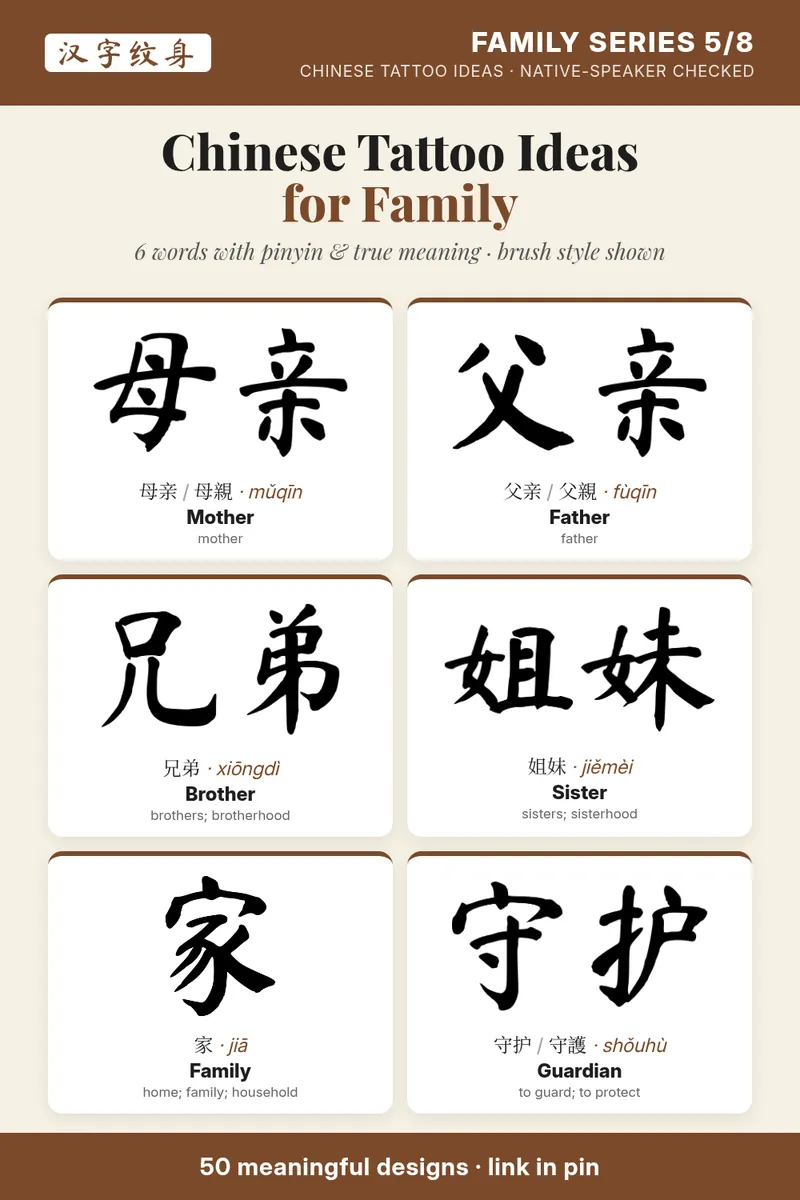
- Matching tattoos. For couples, 缘 is a beautiful choice. For siblings and best friends, 姐妹 (sisters) and 兄弟 (brothers) work well. Make sure everyone uses the same system and style.
- Vertical or horizontal. Chinese can be written top to bottom as well as left to right. A vertical layout suits the spine or forearm. Keep each character whole. Don't split a character into parts, and keep the parts of 忠 (中 over 心) together.
More Chinese tattoo themes
Love, strength and peace are only the beginning. These five boards cover the other themes in the collection, and each word is explained in the full list of 50 meanings.
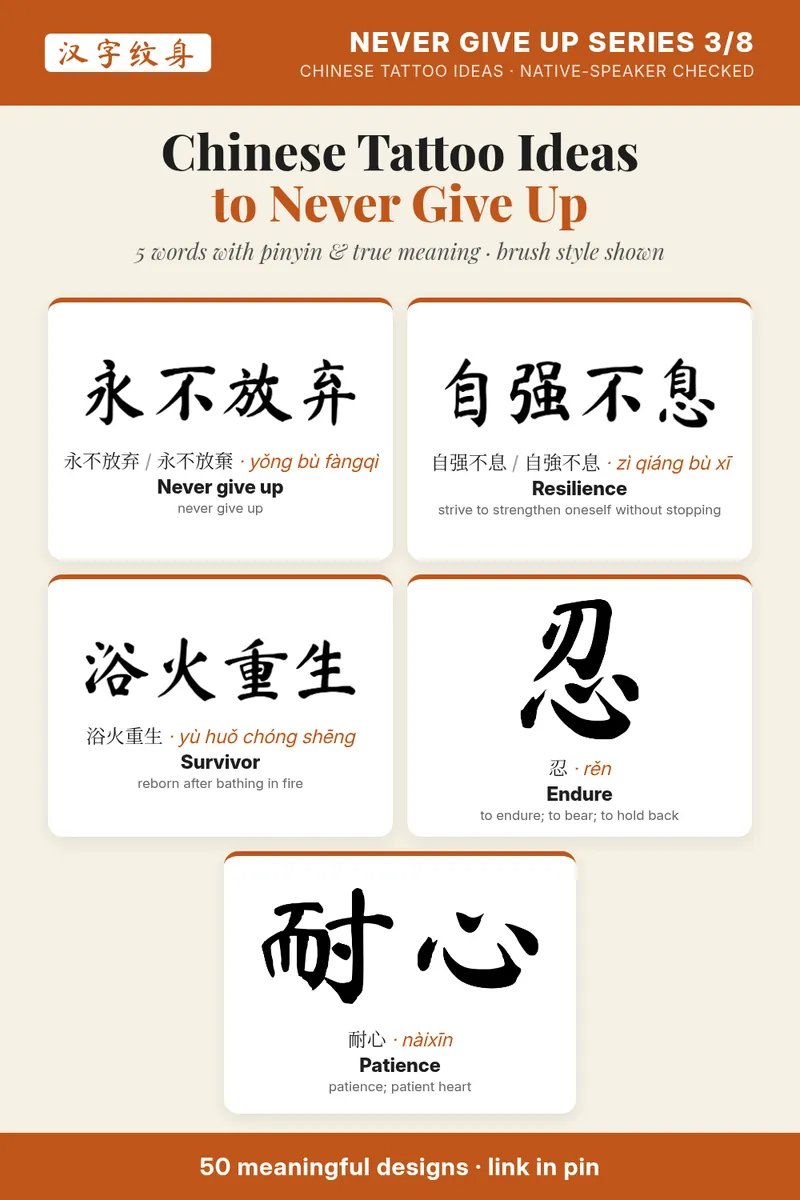
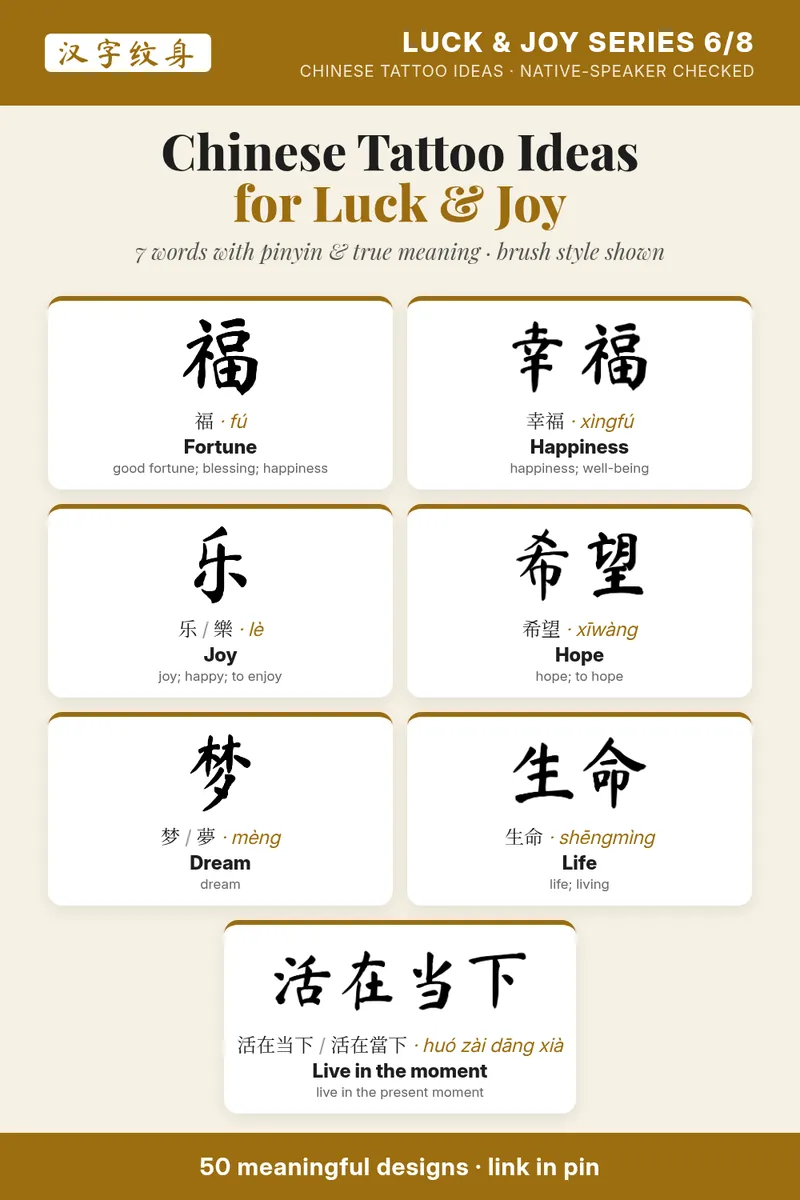
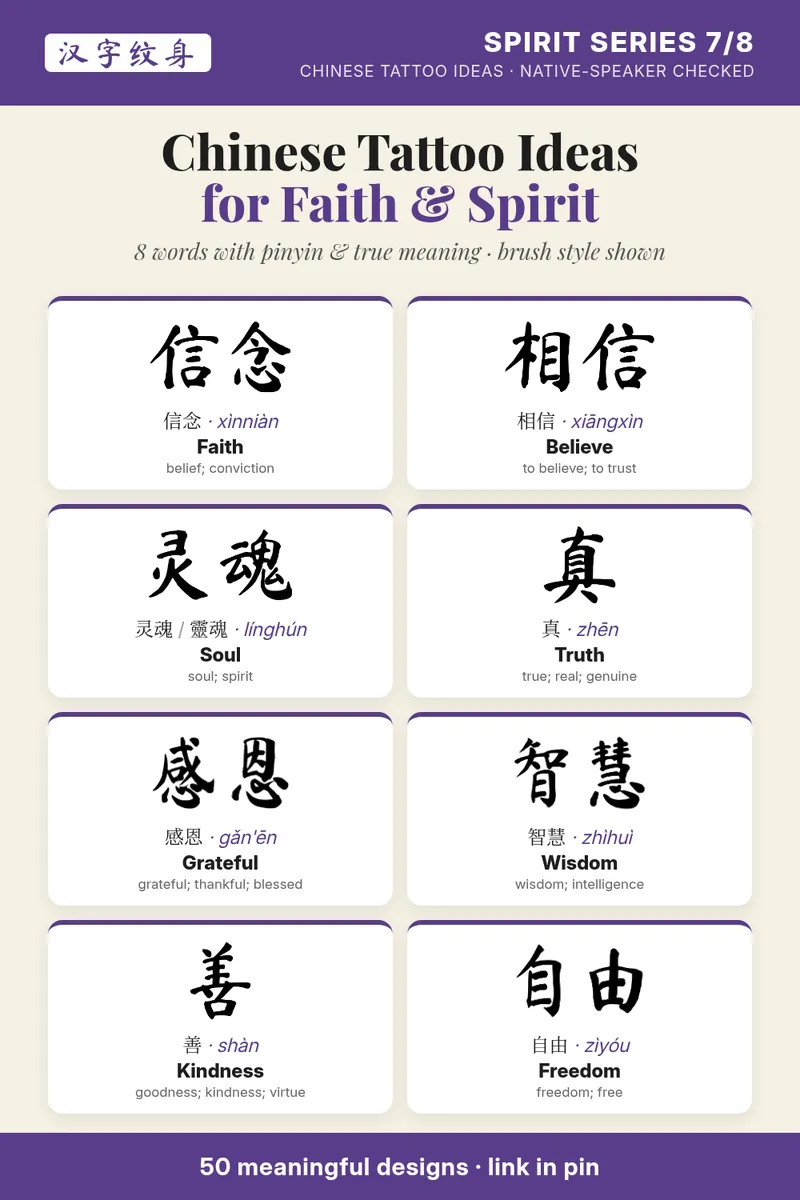
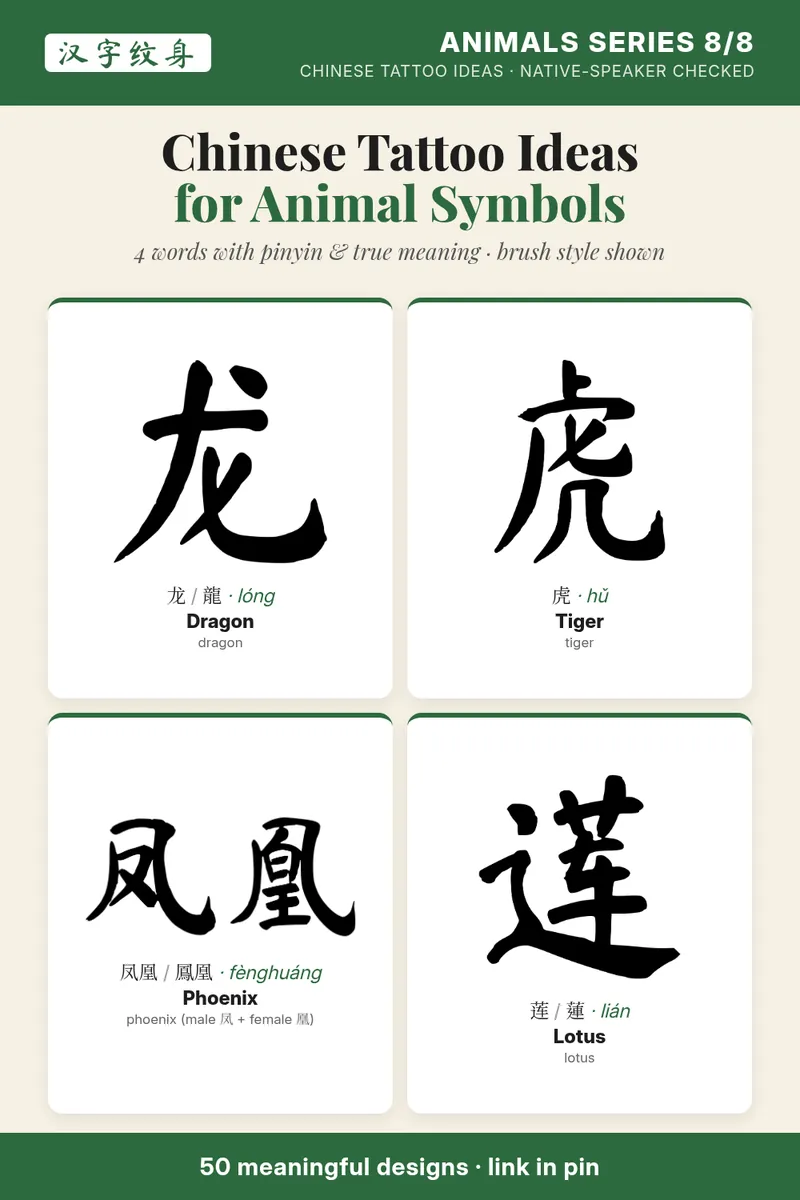
- Never give up: 永不放弃, 自强不息, 浴火重生, 忍, 耐心
- Family: 母亲, 父亲, 兄弟, 姐妹, 家, 守护
- Luck & joy: 福, 幸福, 乐, 希望, 梦, 生命, 活在当下
- Spirit: 信念, 相信, 灵魂, 真, 感恩, 智慧, 善, 自由
- Animals & symbols: 龙, 虎, 凤凰, 莲
All of the words in this article are in the 50-design pack. Each comes in simplified and traditional forms and four styles, as transparent PNG, SVG and mirrored stencil files your artist can use directly. And before you decide, it is worth reading the most common Chinese tattoo mistakes. It only takes five minutes.